
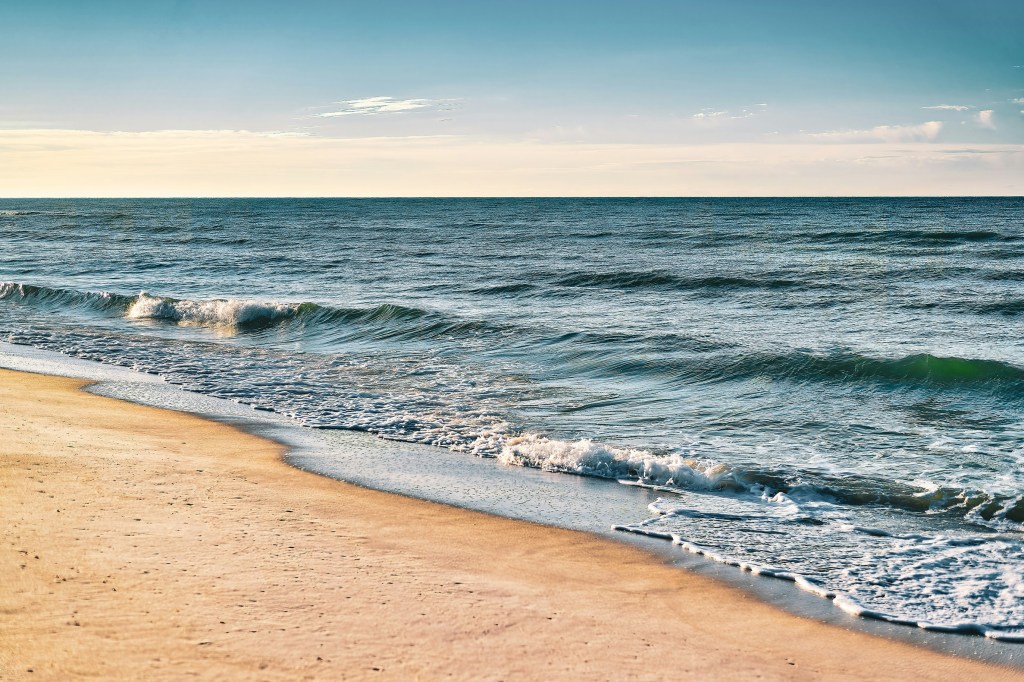
If you’ve followed me for a while, you know I absolutely love paddleboarding in Florida. Whether I’m exploring crystal-clear springs or paddling along the coast, there’s nothing that clears my mind like being out on the water.
But here’s something I’ve learned: a beautiful day doesn’t always mean it’s a safe day to paddleboard.
Florida’s weather changes fast, tides can completely change your paddle, and wind can turn a relaxing trip into an unexpected workout. Before I even inflate my board, I always check a few things that could make or break my day.
If you’re new to paddleboarding in Florida—or you’ve been doing it for years—these are the paddleboarding safety tipsI never skip.
1. Check the Wind Before Anything Else
If I could only check one thing before heading out, it would be the wind.
People focus on sunshine, but wind is what gets paddleboarders into trouble.
A forecast might say it’s going to be 85° and sunny, but if the wind is blowing 15-20 mph, your peaceful paddle can quickly become exhausting. Offshore winds can slowly push you farther from shore without you realizing it.
My personal rule:
- Under 10 mph = usually a great day to paddle.
- 10-15 mph = doable, but expect a workout.
- 15+ mph = I usually stay home or choose a protected spring.
I’d rather miss one paddle than spend two hours fighting my way back to the launch.
2. Understand the Water: Tides, Currents & Rip Currents
One thing I’ve learned is that calm water doesn’t always mean safe water.
Before I launch, I check three things:
Current
Current is simply water moving in one direction. If you’re paddling a river, inlet, or coastal area, the current can make your paddle much harder than expected.
One of the best paddleboarding tips I ever learned was this:
Paddle against the current first.
That way, when you’re tired and heading back, the current helps push you home instead of making you fight for every stroke.
Tide
If you’re paddleboarding in the ocean, bays, or mangrove tunnels, don’t skip checking the tide.
High tide and low tide can completely change your launch spot. I’ve seen beaches disappear, oyster beds become exposed, and water become so shallow I had to get off my board and walk.
Rip Currents
If you’re launching from an ocean beach, check the rip current forecast before you go.
Rip currents are fast-moving channels of water that flow away from shore. They’re different from regular currents and can make getting back to the beach much harder if you fall off your board.
If I’m paddling somewhere like Fort De Soto or the Gulf, checking the rip current forecast is just part of my routine.
3. Florida Storms Build FAST
If you’ve lived in Florida for more than five minutes, you already know this.
One minute it’s sunny.
Thirty minutes later…
⚡ Thunder.
🌧️ Heavy rain.
💨 Strong wind.
Afternoon thunderstorms are incredibly common, especially during the summer. NOAA recommends checking the marine forecast before heading out because winds and waves can increase rapidly around thunderstorms.
I always ask myself: “If a thunderstorm rolled in right now, could I get back to shore quickly?”
If the answer is no…
I wait.
4. Springs Are Usually More Forgiving
One reason I love Florida springs so much is they’re generally calmer than the Gulf or Atlantic.
You don’t have:
- tides
- waves
- rip currents
But that doesn’t mean you’re completely in the clear.
River current can still be strong after heavy rain, and boat traffic can create wakes that catch beginners off guard.
5. Respect Florida’s Wildlife
One of the questions I get asked the most is, “Aren’t you scared of the gators?”
Honestly? I respect them more than I fear them.
If you paddleboard in Florida long enough, you’re going to see an alligator. They’re part of the ecosystem, and most of the time they want absolutely nothing to do with you.
The key is giving them space.
Here are a few things I always keep in mind:
- Avoid murky water whenever possible. If you can’t see what’s under the surface, you can’t tell how close you are to a gator. A floating head is only a tiny part of the animal—there could be another 8–10 feet of alligator underwater.
- Stay away from baby alligators. If you see babies, mom is almost always nearby, and she’s extremely protective.
- Never feed an alligator. Feeding them teaches them to associate people with food, making them more likely to approach humans. That’s dangerous for both people and the alligators.
- Give every gator plenty of space. If one changes direction toward you or seems agitated, paddle away calmly and give it more room.
6. During Mating Season, Be Extra Careful
Florida’s alligator mating season generally runs from late spring into early summer (roughly April through June), and nesting season follows through the summer. During this time, alligators can be more territorial, especially around nests and hatchlings. The Florida Fish and Wildlife Conservation Commission advises people to keep their distance and avoid swimming or recreating near alligators during these periods.
That doesn’t mean you have to stop paddleboarding.
It just means you should paddle smarter.
If I’m choosing between a crystal-clear spring and a murky lake during mating season… I’m choosing the spring every single time
Final Thoughts
One of my favorite things about paddleboarding is how peaceful it is.
But staying safe is what allows me to keep coming back.
A five-minute weather check has saved me from some really bad paddles.
So before you throw your board in the car, take a minute to check:
Wind
Tide
Current
Marine forecast
Afternoon storms
Those few minutes can make the difference between an unforgettable adventure and a day you wish you’d stayed home.


